
Dealing with a front gap you'd rather close without metal brackets? Dentist Open Now finds a Willis, TX specialist who handles this specific case regularly and has room to see you.
Call and a coordinator checks live openings with a specialist while you're on the line.
+1-866-227-2801
Clear aligners move teeth through a series of custom trays, each one nudging your bite slightly closer to its final position than the last. A digital scan replaces the old impression goop, mapping your teeth in minutes and generating a preview of the full treatment before you agree to anything.
Mild-to-moderate crowding and spacing respond well to aligners; more complex bite corrections may still call for traditional brackets. They only work if worn roughly twenty-two hours a day, out just for eating and brushing — the trays don't do the work by sitting in a drawer.
For teeth needing more than simple tipping, small bonded attachments act as anchor points the aligner pushes against. Your provider maps out which teeth need attachments during digital treatment planning, before the first tray is ordered.
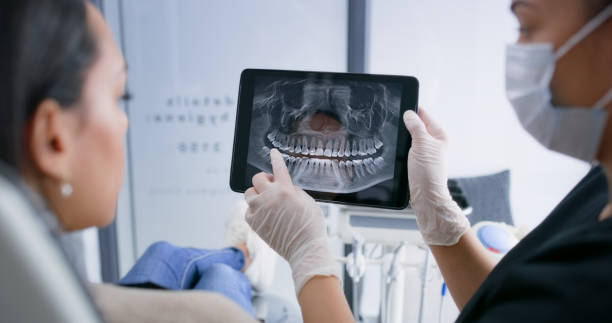
Your treatment plan starts from a 3D digital scan instead of a physical mold that can shift.
A stage-by-stage animation shows the expected movement before you agree to start.
If teeth need extra adjustment partway through, that's typically already accounted for in the plan.
Trays come out for meals and photos, but results depend on hitting the twenty-two-hour target.
Our network specialists cover the full range of this procedure, from the routine case to the complicated one.
A 3D scan generates a preview of your projected results before any trays are ordered.
Crowded front teeth are one of the most common cases aligners successfully resolve.

Spacing between teeth closes gradually through calibrated pressure across successive trays.
Mild bite discrepancies can often be corrected with aligners paired with small attachments for grip.

Small tooth-colored attachments give the aligner extra leverage on harder-to-move teeth.
A custom retainer holds your new alignment in place once the active tray series finishes.
A coordinator answers and asks a few quick questions about your specific case and how urgent it is.
Based on your case and location in Willis, TX, we find a provider with room on the schedule soon.
The specialist examines your case, often with same-visit imaging, and gives you a cost estimate before starting anything.
Treatment proceeds on the agreed plan, with aftercare instructions and a follow-up if the case calls for one.
"Explained every step and the cost before doing anything. First visit that didn't feel rushed."
"Price on the phone matched the invoice exactly. No surprise charges at all."
"Was honest that the closest office was full and got me into a nearby one instead of leaving me stuck."
Most cases run six to eighteen months depending on how much correction is needed.
Some pressure is normal with each new tray, but it tends to be less intense than wire adjustments.
Consistent wear in that twenty-to-twenty-two-hour range is what keeps treatment on schedule.
Existing dental work is factored into the digital scan and treatment plan.
Depending on your stage, moving to the next tray or getting a replacement made are both options.
Pricing scales with how many trays your case requires, laid out before you commit to treatment.
Our coverage spans Willis and its surrounding area, matching you with the closest available specialist who's actually open.
Licensed to practice in TX, verified before referral.
A short call is all it takes to get this on the calendar this week.
Call +1-866-227-2801 Now